


Training hard is essential for improving strength, endurance, and performance. However, recovery after intense workouts is just as important as the training itself. Many athletes experience muscle soreness, fatigue, and inflammation after demanding exercise sessions.
Understanding how to support recovery can help athletes reduce soreness, improve circulation, and prepare their muscles for the next workout.
In this article, we’ll explore effective muscle recovery tips that help athletes recover faster after intense training.
Why Muscle Recovery Is Important
During intense physical activity, muscles experience microtears and metabolic stress. This process is normal and part of muscle growth, but it can lead to temporary symptoms such as:
- muscle soreness
- inflammation
- stiffness
- tired or heavy legs
Proper recovery allows the body to repair muscle tissue, improve circulation, and restore energy levels.
Common Causes of Muscle Soreness After Exercise
Muscle soreness often occurs after unfamiliar or high-intensity workouts. This condition is commonly known as Delayed Onset Muscle Soreness (DOMS).
DOMS typically appears 12–48 hours after exercise and may include:
- muscle tenderness
- stiffness
- reduced range of motion
- fatigue in the legs
Supporting circulation and recovery can help reduce these symptoms.
1. Hydration and Nutrition
Hydration plays a key role in muscle recovery. Water helps transport nutrients to muscles and remove waste products created during exercise.
Athletes should aim to:
- stay hydrated throughout the day
- consume balanced meals with protein and nutrients
- support electrolyte balance
These habits help the body repair muscle tissue more efficiently.
2. Active Recovery
Light physical activity after intense training helps maintain blood circulation and reduce stiffness.
Examples of active recovery include:
- light walking
- stretching
- mobility exercises
- low-intensity cycling
Active recovery helps deliver oxygen to muscles and supports faster healing.
3. Reduce Inflammation
Inflammation is a natural response to intense training, but managing it helps improve comfort during recovery.
Athletes can support recovery by:
- resting when needed
- stretching regularly
- maintaining balanced nutrition
These practices help muscles recover and reduce prolonged soreness.
4. Support Circulation for Faster Recovery
Healthy circulation plays an important role in muscle recovery. Good blood flow helps deliver oxygen and nutrients to muscles while removing metabolic waste.
Athletes often support circulation by:
- elevating the legs
- using compression garments
- performing gentle massage
These strategies help improve circulation and reduce muscle fatigue.
5. Use Recovery Massage and Circulation Creams
Massage is commonly used by athletes to help relax muscles and stimulate blood flow.
Some athletes include topical circulation-support creams as part of their recovery routine to help soothe tired legs and support muscle comfort.
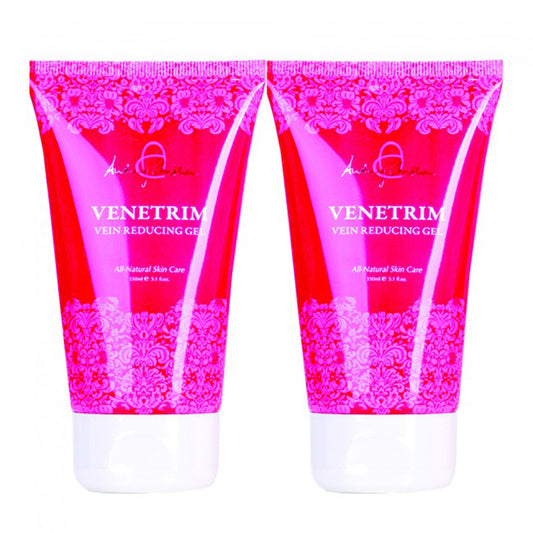
For example, Venetrim Vein Reducing Cream contains plant-based ingredients traditionally used to support circulation and reduce leg discomfort.
Its formula includes:
- Butcher’s Broom Extract – known for supporting vein health and circulation
- Grape Seed Extract – rich in antioxidants that support blood vessels
- Witch Hazel – helps soothe swelling and tired muscles
Because of its fast-absorbing formula, Venetrim can be applied before or after workouts to support circulation and muscle recovery.
Creating a Consistent Recovery Routine
Athletes who consistently follow recovery practices often experience better long-term performance.
A simple recovery routine may include:
- proper hydration
- stretching after workouts
- active recovery sessions
- massage and circulation support
These strategies help reduce soreness and keep muscles ready for the next training session.
Train Hard, Recover Smart
Athletic success comes from balancing intense training with proper recovery. Supporting circulation, reducing inflammation, and maintaining good recovery habits help athletes perform at their best.
For individuals who experience tired legs or muscle soreness after training, topical solutions like Venetrim may be used as part of a routine to support circulation and recovery.
Fuel Your Fierce Recovery 💪
Strong athletes know that recovery is a powerful part of performance. By caring for your muscles and supporting circulation, you can stay energized, reduce soreness, and return to training stronger than before.
